

Along the Jersey Shore, the first cold snap pushes mice to start scouting for warm indoor spaces. A garage with a worn bottom seal or a gap along the concrete floor becomes a perfect entry point.
A mouse only needs a 1/4-inch opening. That tiny space along the edge of the door or the retainer can quickly turn your garage into a winter shelter for pests.
At Surfside Garage Doors, we see this surge every fall and winter across Toms River, Brick, Point Pleasant, Wall, Howell, and surrounding communities. Homeowners call us after noticing dirt lines, debris trails, or a draft slipping under the door. All three point to the same issue: a garage door seal that no longer sits tight to the floor.
Garage door seal maintenance solves two problems at once. It keeps rodents out and stops energy loss in attached spaces. Our climate along Ocean and Monmouth County is tough on rubber, so seals need routine inspection and replacement to stay effective.
Why Rodents Target Garages in Winter
Once night temperatures drop, mice look for heat, accessible food, and cover from predators. Garages check all three boxes. They also offer quiet corners along stored items, the opener rail, and the tracks where nesting material can accumulate.
Dan Latini, owner of Dan Can Home Services and one of the most trusted pest pros serving our region, explains it clearly:
“Rodent exclusion starts with sealing gaps at ground level. A mouse only needs a space about the size of a pencil to gain access. Any worn garage door seal becomes a direct entry point.”
Learn more about his exclusion process.
Garage door weather sealing plays a major role in that exclusion plan. If the bottom seal has cracking, uneven wear, or daylight coming through, pests can slip inside long before you notice signs of activity.
How a Garage Door Seal Works
A garage door seal (often rubber or vinyl) compresses against the concrete floor along the entire width of the door. It forms a tight line that blocks cold drafts, dust, rain, moisture, and rodents. When installed correctly and kept clean, the material stays flexible and continues to slide smoothly across the floor every time the opener runs.
A proper seal also protects the interior from debris that blows in from the driveway, which reduces damage to tools, storage bins, and the opener itself. Many homes in towns like Manasquan, Lavallette, and Jackson sit close to sand and salt air, so bottom seals take a beating from both sun exposure and extreme temperatures.
If your door is not sitting properly aligned to the floor, the best material in the world cannot compensate for gaps. That misalignment creates an issue at one side of the door, a spot pests locate quickly.
What Causes Gaps Under the Door
Several factors leave a garage open to pests long before winter hits:
Uneven or settling concrete floors
Local homes, especially older houses near the Shore, often have concrete that dips or rises. A gap forms even when the seal is new. We can replace the seal with the right seal profile and adjust the retainer to form a tight contact point.
Worn rubber
Rubber dries out over time. As it loses flexibility, it begins to tear or crack. The strip can no longer insulate, and small openings along the edge appear.
Misaligned tracks
Tracks with loosened screws, damaged brackets, or slight shifts in position change the way the door meets the floor. A door that once closed tight now touches at one end but leaves daylight at the other.
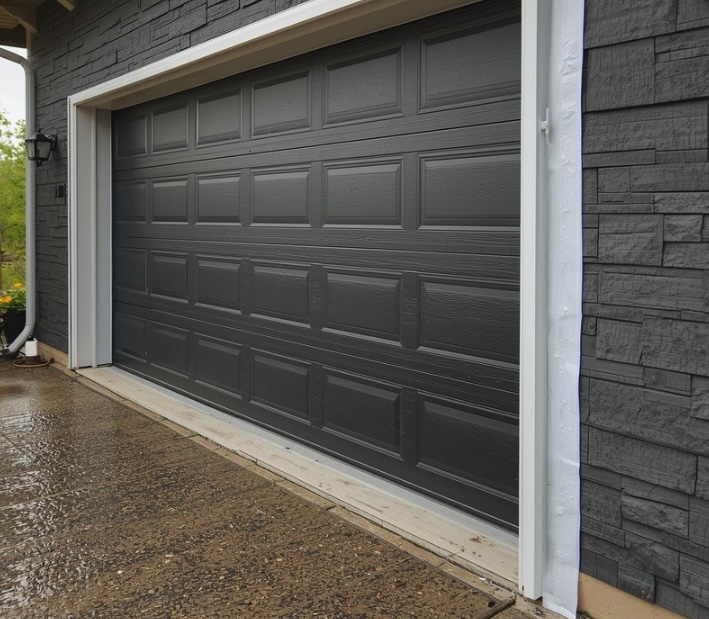
Debris in the retainer
Sand, dirt, and moisture can build inside the retainer channel. The seal no longer slides fully into place and cannot compress correctly.
Age of the door
Older doors installed decades ago may not have been designed with the same weather standards we use today in coastal New Jersey. A tune-up often reveals the need for a new bottom seal, side seals, and in some cases, a full perimeter weather system.
How Homeowners Can Check for Problems
You can perform a simple test in just a few minutes.
1. Look for light
Stand inside the garage during daylight with the door shut. If you see a thin line of sun under the bottom panel, rodents can pass through that same line.
2. Run your hand along the interior edge
Feel for drafts. On windy days near the Shore, this becomes very noticeable. Cool air leaking in points to a compromised seal.
3. Watch the material itself
If the rubber looks brittle, flattened, torn, or has an uneven form, it can no longer insulate or block entry.
4. Check the floor
A damaged concrete floor may create pockets or channels under the seal. Moisture and dirt fill these spots and degrade the rubber faster.
5. Inspect the tracks and hardware
Loose screws, bent brackets, or minor alignment issues create uneven pressure. When one side closes before the other, a consistent gap forms.
Cleaning and Maintaining the Seal
Homeowners often overlook this simple step.
Use soapy water and a rag to clean the seal every few months. Removing dirt helps the rubber flex and prevents early cracking. Make sure the material is completely dry before shutting the door again.
In attached garages, regular cleaning also reduces dust intrusion and improves comfort during winter. A clean seal performs better, lasts longer, and saves money on premature replacement.
Replacement Options
For badly worn or damaged seals, replacement is the best solution. At Surfside Garage Doors, we stock multiple profiles to match the exact retainer and width of your door. Some seals have a thicker form for floors with minor imperfections, while others use flexible vinyl for smooth compression.
A replacement typically takes under an hour, depending on the condition of the door and opener. During service, we:
- Measure the length and inspect the retainer.
- Remove the existing material, clean the track, and clear debris.
- Slide the new seal into place with the correct orientation.
- Test the door through several cycles to ensure the new seal compresses evenly.
- Make alignment adjustments if necessary to eliminate gaps.
A tight, fresh seal immediately improves security and rodent protection. It also helps prevent drafts, moisture intrusion, and dirt buildup—issues homeowners in coastal towns face year-round.
Why Winter Makes Problems Worse
Cold air stiffens old rubber, causing the bottom seal to lose contact with the floor. At the same time, mice are actively searching for shelter. This combination increases activity in garages from December through early spring across Ocean and Monmouth counties.
Extreme temperatures also shrink older vinyl trim and expose small spots along the sides. A full perimeter inspection in late fall gives homeowners a reliable snapshot of the door’s condition before the cold months arrive.
When a Professional Inspection Makes Sense
Heavy doors, older hardware, and misaligned tracks call for trained technicians. Adjusting the door without the right tools can damage the opener or create safety concerns. Our team inspects the entire system, including:
- Track alignment
- Opener force settings
- Seal wear
- Retainer condition
- Floor contact points
- Side and top weather trim
- Hardware that may need tightening
This full check prevents costly repairs later and gives homeowners confidence that their garage stays sealed tight all winter.
Explore our preventative maintenance service.
Rodent Exclusion Works Best With a Full Perimeter Seal
Pest control companies like Dan Can Home Services often stress that exclusion works only when every ground-level opening is addressed. Your garage door is one of the largest potential access points on the property.
A fresh bottom seal paired with intact vinyl side trim and a properly aligned door creates a strong barrier. Once that barrier exists, pest pros can complete their work around the siding, foundation, and structural components of the house.
Local Conditions That Speed Up Wear
Homes near the Shore face accelerated wear compared to inland communities. Frequent rain, blowing sand, and heavy sun exposure deteriorate rubber faster than homeowners expect. In towns like Lavallette and Ortley Beach, seals often fail early due to daily friction with sand on the concrete floor.
In neighborhoods with more tree cover, such as Wall or Howell, leaves and moisture build up along the bottom panel and speed up degradation. Regular cleaning and an annual winter inspection help counter these conditions.
Why Homeowners Call Surfside
We focus on residential service only, with stocked trucks ready to complete seal replacements or full realignments in a single visit. Paul still answers the phone personally and often performs the work himself. Homeowners appreciate knowing the technician at their door is the same person they spoke with—someone accountable, local, and committed to long-term maintenance of their home.
A new seal is one of the most cost-effective upgrades for comfort, energy savings, and rodent protection. When the door shuts tight, you avoid drafts, stop debris from blowing in, and reduce the chance of pests getting a foothold inside the garage.
When to Schedule Service
If you notice any of the following, it’s time for an inspection:
- Daylight under the door
- Drafts along the floor line
- Cracking rubber or a flattened section
- A seal that sticks, tears, or no longer slides smoothly
- Gaps at one side of the door
- Increased dust, rainwater marks, or debris trails
- Signs of rodents near storage bins or shelving
Winter magnifies every one of these issues, so early maintenance leads to the best outcome.
Ready to Protect Your Home This Winter?
Surfside Garage Doors provides seal replacement, alignment corrections, and full preventative maintenance across Ocean and Monmouth County. Proper weather sealing keeps out mice, saves energy, and protects the garage from winter damage.
Call 732-600-1101 or Contact Us For Winter Garage Door Seal Maintenance
If rodents have already shown signs around your house, pair your garage service with professional exclusion from Dan Can Home Services.
Your garage is one of the largest entry points in the house. A tight seal turns it into one of the strongest defenses.