
Your garage door is the largest moving part of your home. Most homeowners don’t think about it until something goes wrong. The good news is that a little attention goes a long way. Here are three signs your door may be nearing the end of its life — and what you can do to keep it running.
The Door Is Making Unusual Noises
A quiet, smooth door is a healthy door. Grinding, screeching, or rattling during operation are not normal sounds. They signal that something inside is worn, loose, or failing.
The most common culprits are rollers, pulleys, and cables that have reached the end of their service life. Left unchecked, worn parts create a chain reaction. One failing component puts stress on the others, and a small repair can turn into a much larger one.
If your door has recently become noticeably louder, don’t wait for a full breakdown. A professional inspection can catch the problem early and save you money down the road.
Visible Damage to Springs, Cables, or Panels
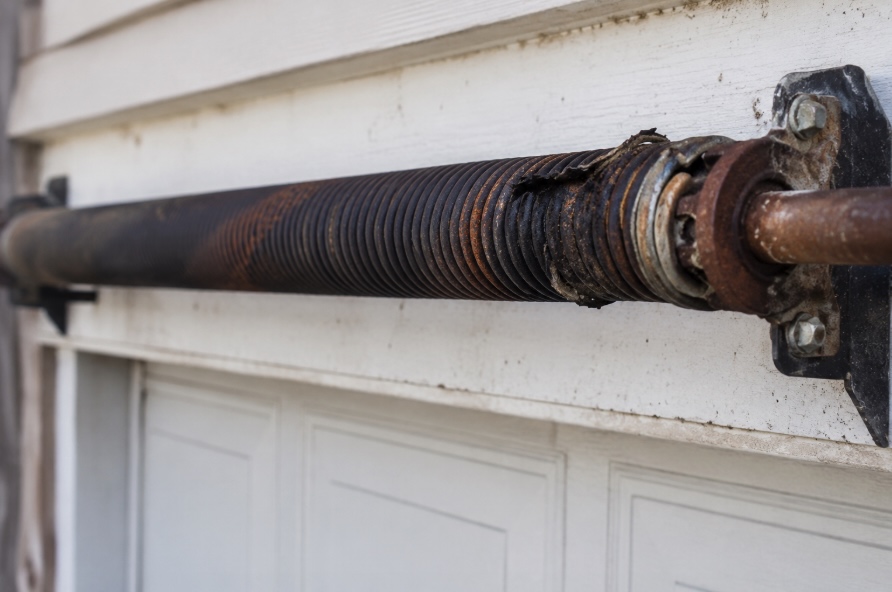
Some signs of trouble are easy to spot if you know what to look for. A broken torsion spring, frayed cable, or dented panel are all worth taking seriously.
A broken spring changes the entire balance of the door. Without proper spring tension, the door becomes far heavier than it was designed to be. Your opener then has to work much harder than it should, which accelerates wear and shortens its lifespan significantly.
Panel damage creates a different problem. A bent or dented section means the door no longer travels in a straight, smooth path. That puts uneven stress on the springs and rollers with every cycle. Along the Jersey Shore, where coastal storms and salt air already wear on hardware, damaged panels can speed up corrosion in the surrounding components.
A broken spring outside business hours is not something to leave until morning. Our emergency repair team is available around the clock across Ocean and Monmouth County.
If you notice any of these issues, contact Surfside for a free estimate before the damage spreads.
Light Is Getting Into the Garage
Stand inside your garage with the door closed. If you can see daylight around the edges or along the bottom, the seals have failed. That gap is an open invitation for more than just weather.
Drafts, moisture, and cold air are the obvious problems — especially during a Jersey Shore winter. But worn bottom seals and deteriorated weatherstripping also let in mice, insects, and other pests. As temperatures drop in the fall, rodents actively look for warm, sheltered spaces.
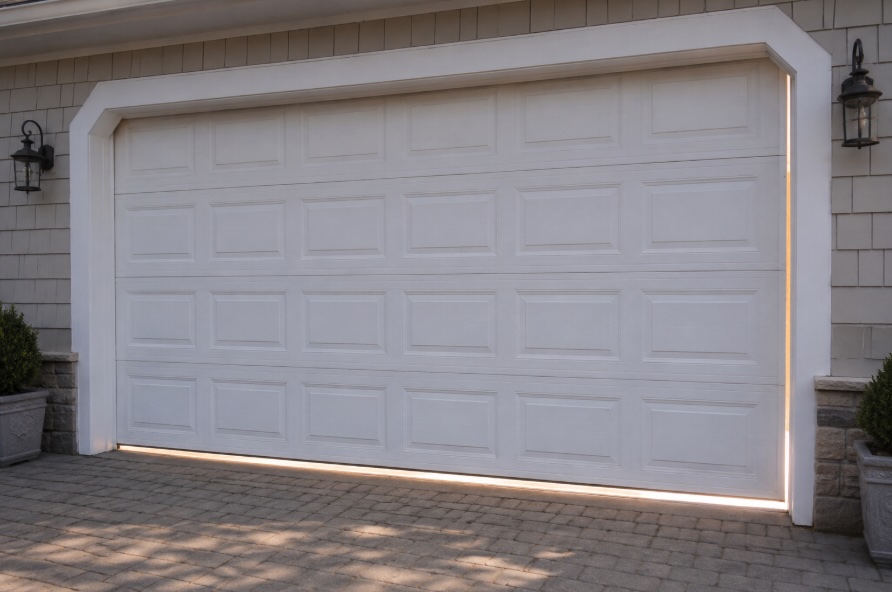
Sometimes a seal replacement is all that’s needed. In other cases, the door itself may have warped or settled enough that a full garage door replacement makes more sense. Either way, sealing the garage properly protects your home, your belongings, and your family.
Maintenance Tasks That Help Prevent Breakdowns
The best way to avoid an unexpected failure is routine maintenance. A few simple habits can add years to your door’s life.
Lubricate Every Six Months
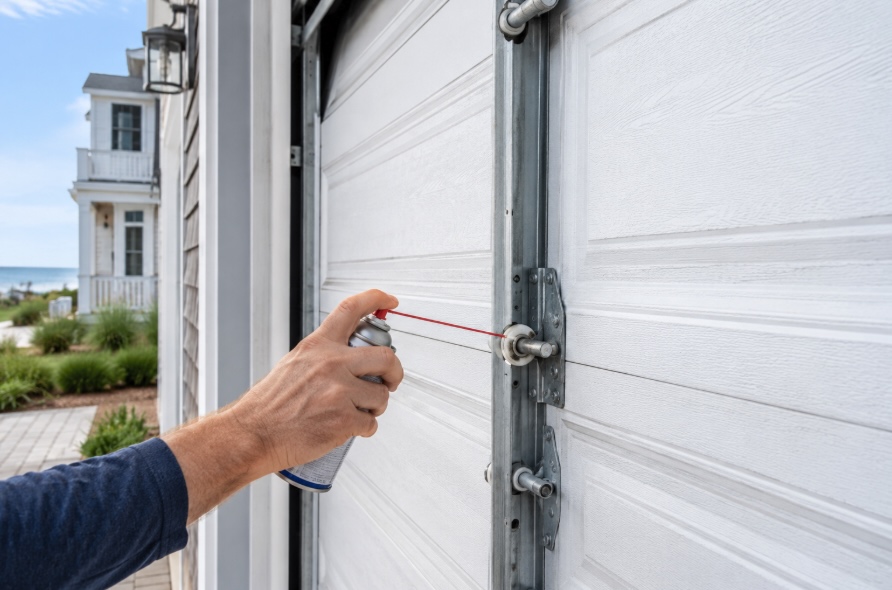
Paul Sharpe, owner of Surfside Garage Doors, recommends lubricating your garage door twice a year. Use a product made specifically for garage doors — not WD-40 or general-purpose spray. Apply it to the rollers, hinges, and tracks. This reduces friction, quiets operation, and slows wear on moving parts.
Six months of regular use is the guideline, but homes on barrier island communities and close to the waterfront may benefit from more frequent attention. Salt air accelerates corrosion on springs and hardware, so keeping those parts lubricated is especially important here.
Test the Door Manually Every Few Months
Disconnect the door from the opener by pulling the red emergency release cord. Then raise and lower the door by hand. A properly balanced door should move smoothly and hold its position when stopped halfway. It should not feel unusually heavy or drop suddenly.
If the door feels difficult to lift or doesn’t stay in place, the springs may be out of balance. That is not a repair to attempt on your own. High-tension springs store significant energy and require professional tools and training to adjust safely.
Schedule an Annual Professional Tune-Up
A DIY lubrication routine is a good habit. It is not a substitute for a professional inspection. An annual preventive maintenance visit covers spring balancing, hardware tightening, roller inspection, safety sensor testing, and weather seal evaluation.
Catching a failing roller or a stretched cable during a tune-up costs far less than an emergency repair call. It also keeps your opener from absorbing strain it was never designed to handle.
When to Call a Professional
Some problems are clear — a broken spring, a door off its track, or an opener that stops mid-cycle. Those situations call for a same-day repair from a trained technician, or an emergency call if the door won’t safely open or close.
Others are more subtle. A door that seems a little slower, a little louder, or a little harder to lift may not feel urgent. But subtle changes are often early warnings. Addressing them quickly is almost always cheaper than waiting.